Senate Bill Reports
Colorado Department of Corrections Senate Bill Reporting:
Senate Bill reports are reports the Colorado Department of Corrections has been mandated to report on based upon legislation introduced in the Colorado State Senate, passed by the legislature, and signed into law by the governor.
For each bill on this page, you will find a bill summary, information on why the legislation is important to you, at a glance statistical information, and copies of the reports we provide to the state legislature.
SB 23-039 Reduce Child and Incarcerated Parent Separation:
Information regarding SB 23-039, including the full text of the bill and information on its sponsors may be found on the SB 23-039 page of the Colorado General Assembly website.
Bill Summary: This act protects the bond between incarcerated parents and their children. It stops the state from automatically taking away a person’s parental rights just because they are incarcerated. It also requires facilities to help parents attend court dates for their children and mandates "family time" through video calls or in-person visits.
Why this matters to the community:
- Breaking Intergenerational Cycles: Children of incarcerated parents are at a higher risk of entering the justice system themselves. Keeping them connected to their parents helps break the cycle of "inherited" incarceration and supports the child's mental health.
- Improving Re-entry Success: Inmates with strong family support are significantly less likely to commit new crimes upon release. This law protects families, thereby making the community more stable.
- Constitutional Fairness: It ensures that every parent has a lawyer and a voice in court, protecting the fundamental legal right of a family to stay together unless there is a safety reason to separate them.
At a glance summary of 2024 data:
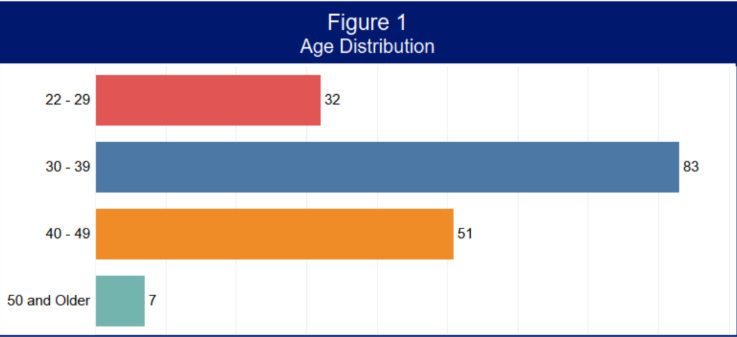
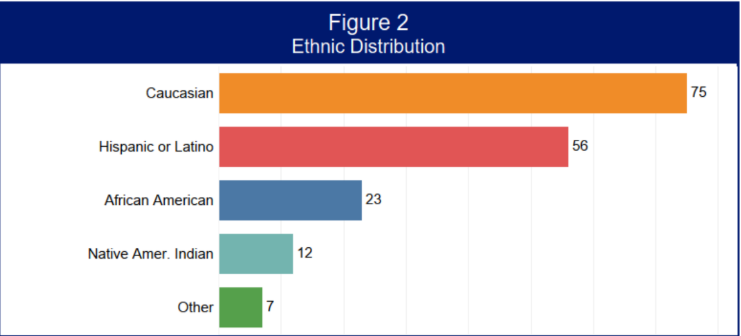
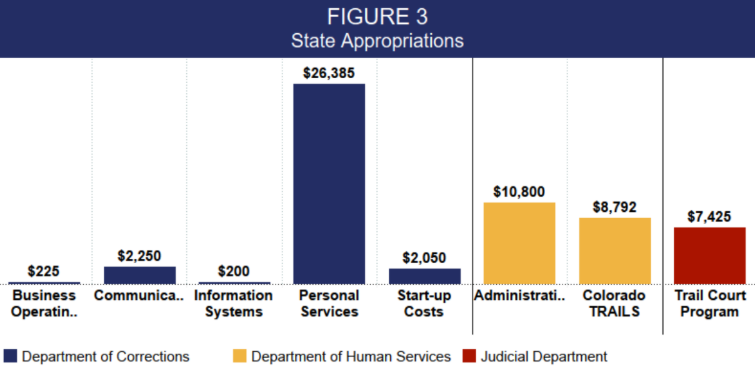
Copies of the reports the department provides for this legislation may be accessed by clicking below.
- SB 23-039 Reduce Child and Incarcerated Parent Separation Annual Reports
CY 2024 Reduce Child and Incarcerated Parent Separation Annual Report
CY 2023 Reduce Child and Incarcerated Parent Separation Annual Report
SB 23-203 Authority of the Office of the Inspector General of the Department of Corrections to Apprehend Fugitives
Information regarding SB 23-203, including the full text of the bill and information on its sponsors may be found on the SB 23-203 page of the Colorado General Assembly website.
Bill Summary: This law allows the DOC’s "Office of the Inspector General" (OIG) to track and arrest prison escapees and fugitives across the entire state. Previously, their authority was more limited. Now, they can serve as a full law-enforcement partner to local police and sheriff's departments, helping catch people who have fled justice.
Why this matters to the community:
- Public Safety Speed: OIG officers are experts in inmate behavior and intelligence. Giving them the power to make arrests means they can use that "insider" info to catch escapees faster than outside police could.
- Supporting Local Police: In small towns with few police officers, the OIG acts as a "force multiplier," providing extra workforce and specialized skills to capture dangerous fugitives.
- Government Transparency: The mandatory annual report ensures that these "police powers" are used appropriately and that the unit is effective at keeping the public safe.
At a glance summary of 2024 data:
- In Calendar Year (CY) 2024, the Office of the Inspector General in the Colorado Department of Corrections (CDOC) had been utilized in one (1) case involving the pursuit of fugitives by any Division of the Department or by any outside law enforcement agency.
- Seven (7) total individual investigators were used in this case.
- The time committed by these investigators was twelve (12) hours over the course of CY 2024.
- The associated cost for this time was $6,151.14.
- This cost is calculated by multiplying the hourly salary of each individual investigator by the hours each was utilized per case.
Copies of the reports the department provides for this legislation may be accessed by clicking below.
- SB 23-203 Authority of the Office of the Inspector General of the Department of Corrections to Apprehend Fugitives Reports
SB 21-193 Birth Occurrence and Use of Restraint on Pregnant Inmates
Information regarding SB 21-193, including the full text of the bill and information on its sponsors may be found on the SB 21-193 page of the Colorado General Assembly website.
Bill Summary: This law, called the "Protection of Pregnant People," bans the use of shackles or chains on pregnant inmates during labor, delivery, and transport to the hospital. It also ensures they have access to healthy food, breast pumps, and proper medical care. It restores their right to make their own end-of-life medical decisions, even while pregnant.
Why this matters to the community:
- Maternal and Infant Health: Shackling someone during birth is medically dangerous for both the baby and the mother. This law prevents complications that could lead to lifelong disabilities or high medical costs for the state.
- Human Dignity: The practice of shackling pregnant people is condemned by medical experts. This law ensures Colorado adheres to humane standards and treats people with dignity during a vulnerable medical event.
- Transparency: Detailed reports on every use of restraint enable taxpayers and advocates to monitor whether facilities comply with the law.
At a glance summary of data:
In CY 2024, there were zero (0) incidents where restraints were used on a pregnant inmate in the custody of the CDOC. All pregnant inmates are housed at Denver Women’s Correctional Center.
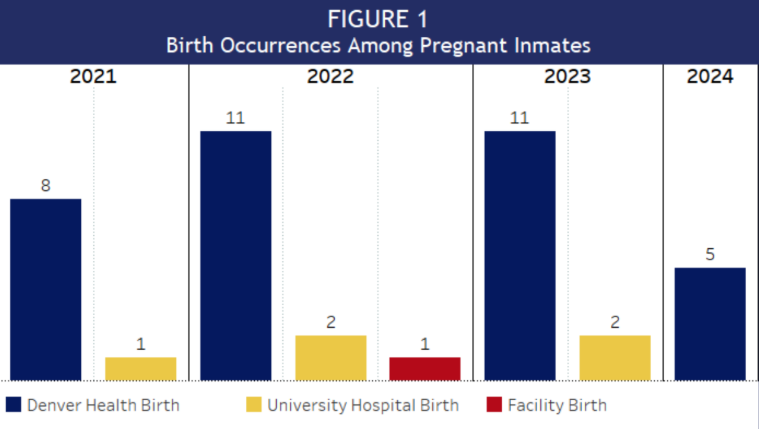
Copies of the reports the department provides for this legislation may be accessed by clicking below.
- SB 21-193 Birth Occurrence and Use of Restraint on Pregnant Inmates Reports
Birth Occurrence and Use of Restraint on Pregnant Inmates CY24
Birth Occurrence and Use of Restraint on Pregnant Inmates CY23
Birth Occurrence and Use of Restraint on Pregnant Inmates CY22
Birth Occurrence and Use of Restraint on Pregnant Inmates CY21
SB 21-146 Special Needs Parole
Information regarding SB 21-146, including the full text of the bill and information on its sponsors may be found on the SB 21-146 page of the Colorado General Assembly website.
Bill Summary: This law makes it easier for inmates who meet certain criteria—those who are 64 and older, have dementia, or are terminally ill—to be considered for parole. It allows an inmate or their family to request an evaluation and requires the state to help seniors in enrolling in health insurance for 12 months after release.
Why this matters to the community:
- Cost Savings: Housing an elderly or sick inmate can cost 3 to 5 times more than housing a standard inmate. Placing them in home care or a nursing home saves taxpayer money.
- Focusing on Actual Threats: By releasing individuals who are too sick or elderly to pose a danger, the Department can reallocate its time and supervision resources to higher-risk offenders who require closer monitoring.
- Compassion and Health: It ensures released seniors have health insurance and can obtain medical care upon release.
Copies of the reports the department provides for this legislation may be accessed by clicking below.
- SB 21-146 Special Needs Parole Reports
Special Needs Parole December 2025 Special Needs Parole November 2025 Special Needs Parole October 2025
Special Needs Parole September 2025 Special Needs Parole August 2025 Special Needs Parole July 2025
Special Needs Parole June 2025 Special Needs Parole May 2025 Special Needs Parole April 2025
Special Needs Parole March 2025 Special Needs Parole February 2025 Special Needs Parole January 2025
Special Needs Parole December 2024 Special Needs Parole November 2024 Special Needs Parole October 2024
Special Needs Parole September 2024 Special Needs Parole August 2024 Special Needs Parole July 2024
Special Needs Parole June 2024 Special Needs Parole May 2024 Special Needs Parole April 2024
Special Needs Parole March 2024 Special Needs Parole February 2024 Special Needs Parole January 2024
Special Needs Parole December 2023 Special Needs Parole November 2023 Special Needs Parole October 2023
Special Needs Parole September 2023 Special Needs Parole August 2023 Special Needs Parole July 2023
Special Needs Parole June 2023 Special Needs Parole May 2023 Special Needs Parole April 2023
Special Needs Parole March 2023 Special Needs Parole February 2023 Special Needs Parole January 2023
Special Needs Parole December 2022 Special Needs Parole November 2022 Special Needs Parole October 2022
Special Needs Parole September 2022 Special Needs Parole August 2022 Special Needs Parole July 2022
Special Needs Parole June 2022 Special Needs Parole May 2022 Special Needs Parole April 2022
Special Needs Parole March 2022 Special Needs Parole February 2022 Special Needs Parole January 2022
Special Needs Parole December 2021 Special Needs Parole November 2021 Special Needs Parole October 2021
SB 21-138 Improve Brain Injury Support in Criminal Justice System
Information regarding SB 21-146, including the full text of the bill and information on its sponsors may be found on the SB 21-146 page of the Colorado General Assembly website.
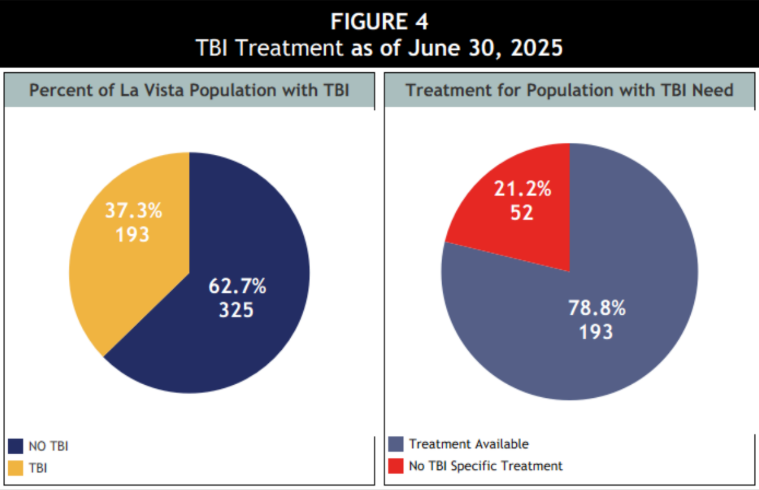
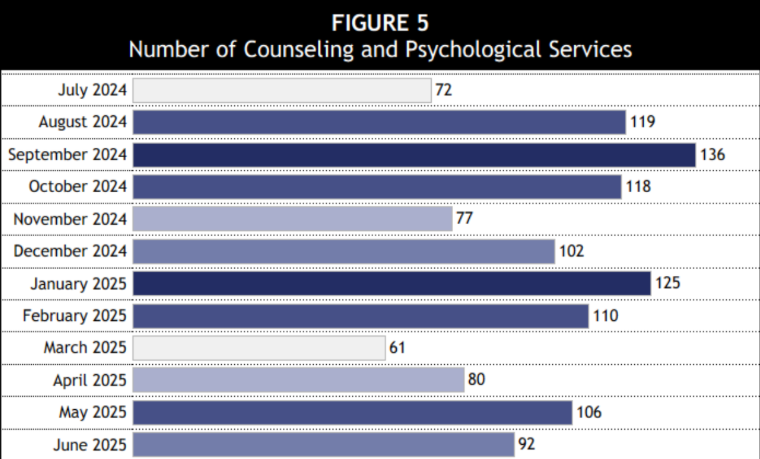
Bill Summary: This act creates a pilot program to screen inmates for brain injuries and trains staff to recognize the symptoms. It recognizes that many people in the system (especially women who survived domestic violence) have TBIs that cause memory loss or poor impulse control—symptoms that are often mistaken for being "defiant."
Why this matters to the community:
- Reducing Recidivism: Over 50% of people in jail or prison have a brain injury, and research has shown that people with a TBI who are under criminal supervision are more likely to return to prison. This legislation aims to reduce the likelihood of their return to custody.
- Fairness for Victims: Many brain injuries in female inmates come from past abuse. This legislation ensures they are treated for their medical needs rather than just punished for their symptoms.
- Public Safety: When we use cognitive tools (such as written reminders) to help people with TBIs comply with the law, they are much more likely to remain safely in the community.
At a glance summary of data:
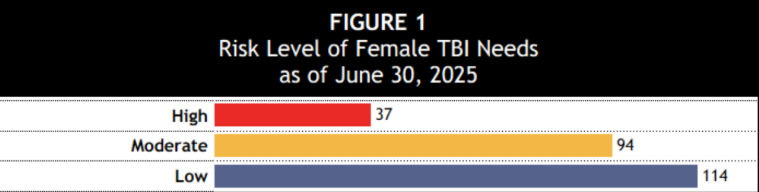
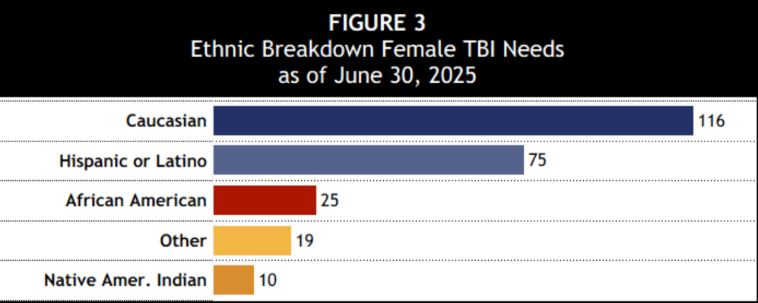
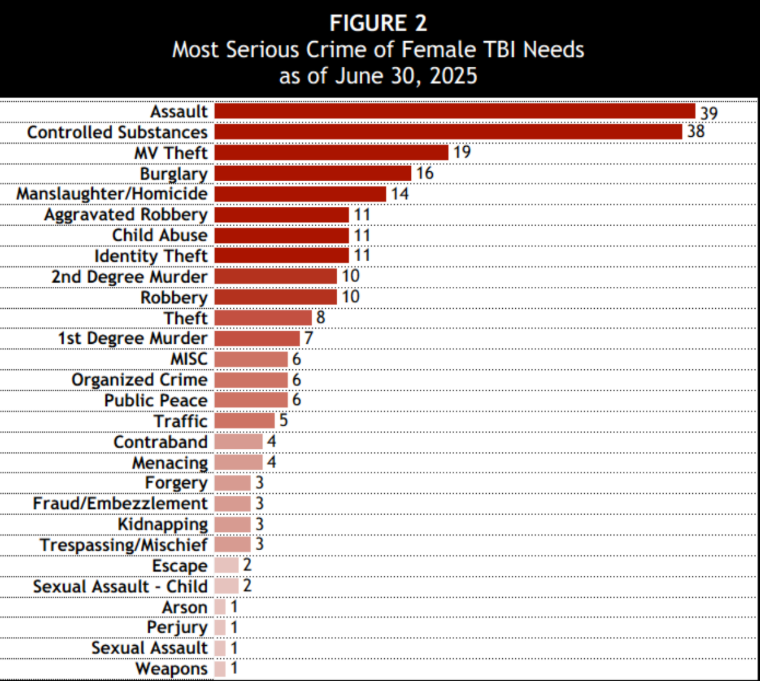
Copies of the reports the department provides for this legislation may be accessed by clicking below.
- SB 21-138 Improve Brain Injury Support in Criminal Justice System Reports
Brain Injury Support in Criminal Justice System CY25
Brain Injury Support in Criminal Justice System CY24
SB 16-180 Juvenile Reintegration Program
Information regarding SB 16-180, including the full text of the bill and information on its sponsors may be found on the SB 16-180 page of the Colorado General Assembly website.
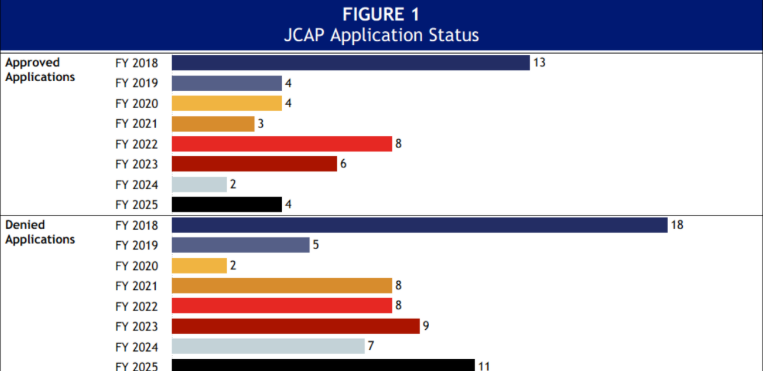
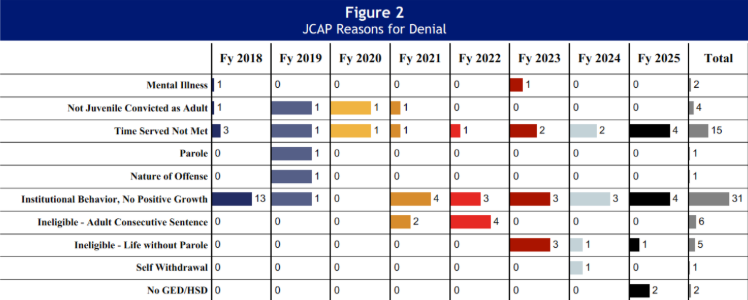
Bill Summary: This law applies to individuals who committed serious crimes as children and were sentenced to adult prison. After serving 20–25 years and demonstrating reform, they can enroll in a program (JYACAP) that uses virtual reality and computers to teach them to live in the modern world before parole.
Why this matters to the community:
- Meeting Legal Requirements: The U.S. Supreme Court has ruled that juvenile offenders must have a "meaningful opportunity for release." This law ensures Colorado meets that constitutional requirement and avoids lawsuits.
- Economic Impact: It costs millions to keep someone in prison for life. By rehabilitating and paroling those who have genuinely changed, the state turns a financial burden into a tax-paying, working member of society.
- Public Safety Preparation: Releasing someone who has been "frozen in time" since the 1990s without any training is challenging. This program ensures they have the skills to be safe, law-abiding neighbors in the modern world.
At a glance summary of data through FY 2025:
Copies of the reports the department provides for this legislation may be accessed by clicking below.
- SB 16-180 Juvenile Reintegration Program Reports
Juvenile Reintegration Program FY25 Juvenile Reintegration Program FY24 Juvenile Reintegration Program FY23
Juvenile Reintegration Program FY22 Juvenile Reintegration Program FY21 Juvenile Reintegration Program FY20
Juvenile Reintegration Program FY19 Juvenile Reintegration Program FY18
SB 13-216 Concerning Youthful Offenders in Colorado
The full text of SB13-216 may be found through the Legiscan website.
Bill Summary: This act expanded the Youthful Offender System (YOS) to include young adults (ages 18 and 19). It serves as a "middle-tier" sentencing option—more intensive than juvenile detention but separate from the adult prison population. Instead of a "boot camp" style, YOS now uses a controlled and regimented environment focused on rehabilitation. It moves participants through four distinct phases: orientation, institutional treatment and education, pre-release transition, and community supervision.
Why this matters to the community:
- Developmental Fairness: Science shows the human brain (specifically the part that controls impulses) isn't fully developed until age 25. By keeping 18- and 19-year-olds away from older "career" criminals in adult prisons, the state helps these "emerging adults" mature and change their life paths before they become lifelong offenders.
- Trauma-Informed Success: Many young offenders have histories of trauma. The modern YOS focuses on behavioral health and therapy rather than just punishment. This approach is more effective at addressing the root causes of crime, leading to much lower rates of re-offending (recidivism) compared to the adult system.
- Job and Life Skills: Participants work toward their GEDs and earn vocational certificates in trades like construction, electrical work, and computer repair. Because they gain real-world skills and job placement help, they are ready to become tax-paying workers the moment they return to their neighborhoods.
- Taxpayer Value: It is far more cost-effective to rehabilitate a young person in a specialized program than it is to pay for their repeated arrests and prison stays over the next 40 years. YOS consistently has one of the highest success rates in the state, making it a smart investment in public safety.
Copies of the reports the department provides for this legislation may be accessed by clicking below.
- SB 13-216 Concerning Youthful Offenders within CDOC Reports
SB13-216 Concerning Youthful Offenders FY22 SB13-216 Concerning Youthful Offenders FY21
SB13-216 Concerning Youthful Offenders FY20 SB13-216 Concerning Youthful Offenders FY19
SB13-216 Concerning Youthful Offenders FY18 SB13-216 Concerning Youthful Offenders FY17
SB13-216 Concerning Youthful Offenders FY16 SB13-216 Concerning Youthful Offenders FY14
SB 11-176 Administrative Segregation for Colorado Inmates
The full text of SB11-176 may be found through the Colorado State Bill website.
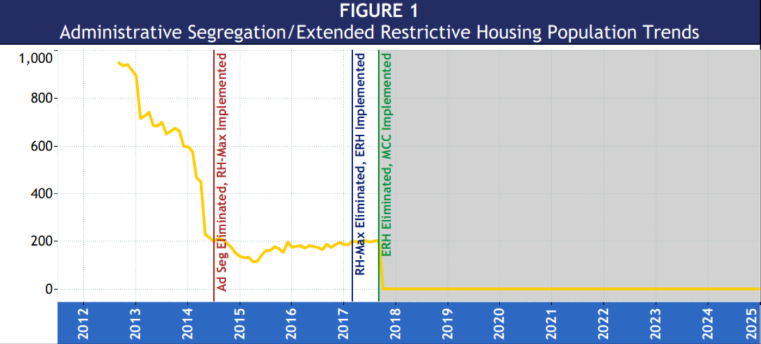
Bill Summary: This law initiated the phase-out and ultimately eliminated long-term solitary confinement (formerly known as "Administrative Segregation") in Colorado. It has been replaced by a modern system called Special Management Housing. Under current rules, the state must report on any inmate placed in "heightened restriction" statuses, such as Management Control Comprehensive (MCC). These units are not punitive; they are administrative tools used to maintain safety and ensure that even high-risk individuals have access to programs and at least 4 hours of out-of-cell time each day.
Why this matters to the community:
- Eliminating "The Hole": In 2011, over 1,500 people were in solitary confinement. As of 2025, that number is zero. By phasing out long-term isolation, the state prevents the severe mental "breakdown" that often happens in solitary confinement, ensuring that people returning to their neighborhoods are more psychologically stable.
- Pro-Social Success (MCC and MCU): The current system employs specialized units, such as the Management Control Unit (MCU) and the Close Custody Transition Unit (CCTU). These serve as "step-down" programs in which inmates must demonstrate they can interact safely in groups. This ensures that the most dangerous offenders are gradually reintroduced to social settings under heavy supervision before they ever reach the general population or the community.
- Protecting the Vulnerable: The 2025 report shows that the state specifically tracks inmates with Behavioral Health (BH) or Intellectual Disabilities (ID). By law, these individuals are moved out of restrictive settings and into Residential Treatment Programs, ensuring that medical needs are treated rather than punished.
- Ending Direct Release to the Streets: In the past, people were often released directly from a small cell into the community, posing a significant safety risk. Today, 90.8% of people in special management are stepped down to lower security before release. This "gradual re-entry" makes the transition safer for the public and more successful for the individual.
- Staff Safety: Hopelessness in solitary confinement often leads to prison riots. By giving inmates a clear path to "earn their way" into units with greater freedom (such as the CCTU, which offers 6 hours of out-of-cell time), the state reduces violence against prison staff and volunteers.
At a glance summary of data through FY25:
Copies of the reports the department provides for this legislation may be accessed by clicking below.
- SB-11-176 Administrative Segregation for Colorado Inmates Reports
Administrative Segregation Report FY25 Administrative Segregation Report FY24
Administrative Segregation Report FY23 Administrative Segregation Report FY22 Administrative Segregation Report FY21
Administrative Segregation Report FY20 Administrative Segregation Report FY19 Administrative Segregation Report FY18
Administrative Segregation Report FY17 Administrative Segregation Report FY16 Administrative Segregation Report FY15
Administrative Segregation Report FY14 Administrative Segregation Report FY13 Administrative Segregation Report FY12