
Other Legislative Reports
Colorado Department of Corrections Other Legislative Reports
Other legislative reports are reports the Colorado Department of Corrections is required to provide reports on by statute or that the department has been asked by the legislature to report on, but which are not tied to a particular bill.
For each bill on this page, you will find information regarding the reporting request or requirement, a brief summary of the importance of the report, and when applicable, an at-a-glance summary of the most recent data.
Corrections Officer Staffing Levels
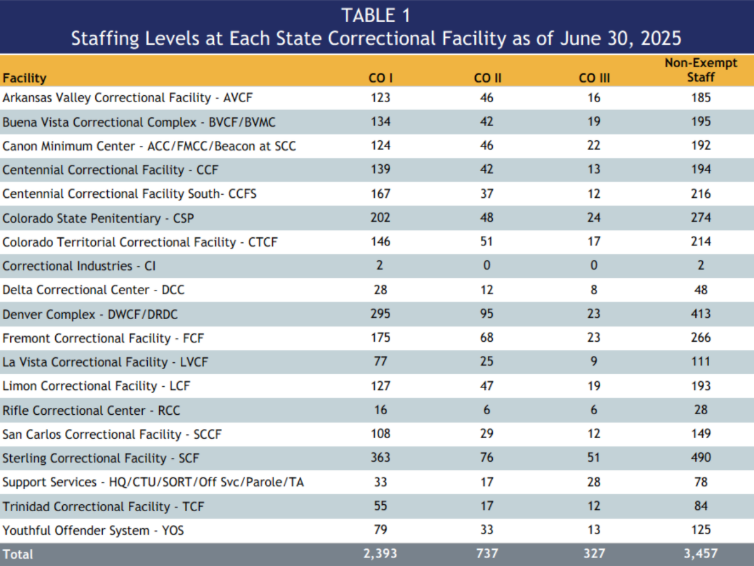
Reporting Requirement: Pursuant to C.R.S. 17-1-115.8, the Colorado Department of Corrections (CDOC) provides reports regarding correctional officer staffing levels. The Fiscal Year (FY) 2025 reported data includes information on the following statutorily required items:
- Staffing levels for correctional officers at each correctional facility and private contract
prison in Colorado; - Staffing levels for correctional officers for each correctional facility security level;
- A comparison of staffing levels at Colorado correctional facilities and the national standards adopted by the National Institute of Corrections and the American Correctional Association.
Why this matters to the community:
- Keeping Communities Safe: Ensuring appropriate staffing is critical to ensure the safety of DOC staff, the inmate population, and the general public. By tracking these numbers, the state helps prevent dangerous situations that could happen if there weren't enough officers.
- Ensuring Transparency: Meeting the statutory requirement of reporting on staffing levels ensures that the department is being open and honest about how many correctional officers are working at prisons.
- Fiscal responsibility: Reporting this data helps ensure operational efficiency. By analyzing staffing levels, DOC can identify where to prioritize staffing and hiring.
At a glance summary of 2025 data:
Copies of the reports the department provides to the legislature may be accessed by clicking the blue bar below.
- Corrections Officer Staffing Levels Reports
Corrections Officer Staffing Levels FY25 Corrections Officer Staffing Levels FY24 Corrections Officer Staffing Levels FY23
Corrections Officer Staffing Levels FY22 Corrections Officer Staffing Levels FY21 Corrections Officer Staffing Levels FY20
Corrections Officer Staffing Levels FY19 Corrections Officer Staffing Levels FY19 Corrections Officer Staffing Levels FY18
Corrections Officer Staffing Levels FY17 Corrections Officer Staffing Levels FY16 Corrections Officer Staffing Levels FY15
Corrections Officer Staffing Levels FY14 Corrections Officer Staffing Levels FY13
Residential Treatment Program
Reporting Request: The Department was requested to submit a report to the House Judiciary Committee, the Senate Judiciary Committee, and the Joint Budget Committee by January 31, 2025, detailing the progress related to the mental health unit at Centennial
Correctional Facility.
Why this matters to the community:
- Improved Safety and Functioning: The program's main goal is to treat offenders with mental illness so they can get better, function effectively, and move into less strict facilities or back into the community. This helps the community by reducing isolation and making offenders more stable.
- Effective Use of Resources: The program uses treatments that are considered "best practice and evidence-based," which means tax money is being spent on proven ways to help offenders improve their self-management skills and prosocial behavior.
- Preparing for Release: The program helps offenders plan for their release by making safety and relapse prevention plans and connecting them to resources like housing support. This support is important for a successful return to the community.
- Understanding Mental Health Needs: Many inamtes in this population have multiple psychiatric diagnoses. This information is key for the state to understand the level of need and plan for future mental health resources.
At a glance summary of 2025 data:

Copies of the reports the department provides to the legislature may be accessed by clicking the blue bar below.
- Residential Treatment Program Reports
Centennial Correctional Facility Residential Treatment Program Report FY25
Centennial Correctional Facility Residential Treatment Program Report FY24
Centennial Correctional Facility Residential Treatment Program Report FY23
Centennial Correctional Facility Residential Treatment Program Report FY22
Centennial Correctional Facility Residential Treatment Program Report FY21
Centennial Correctional Facility Residential Treatment Program Report FY20
Centennial Correctional Facility Residential Treatment Program Report FY19
Centennial Correctional Facility Residential Treatment Program Report FY18
Centennial Correctional Facility Residential Treatment Program Report FY17
Centennial Correctional Facility Residential Treatment Program Report FY16
Centennial Correctional Facility Residential Treatment Program Report FY15
Centennial Correctional Facility Residential Treatment Program Report FY14
Centennial Correctional Facility Residential Treatment Program Report FY13
Colorado State Penitentiary Offenders with Mental Illness Report FY10
Colorado State Penitentiary Offenders with Mental Illness Report FY09
Status of Private Prisons
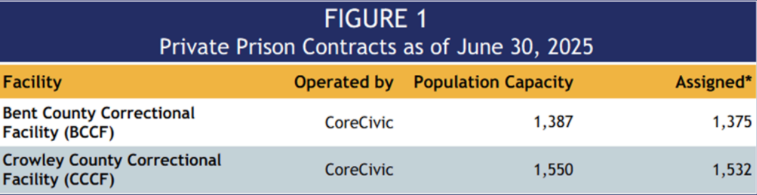
Reporting Requirement: This report is intended to comply with the annual reporting provision listed in C.R.S. 17-1-201(2): No later than December 1 of each fiscal year, beginning with the 1996-97 fiscal year, the Executive Director shall submit a report to the Speaker of the House of Representatives and the President of the Senate concerning the status of contracts in effect, and, with respect to completed prisons, the effectiveness of each private contract prison governed
by a contract with the department.
Why this matters to the community:
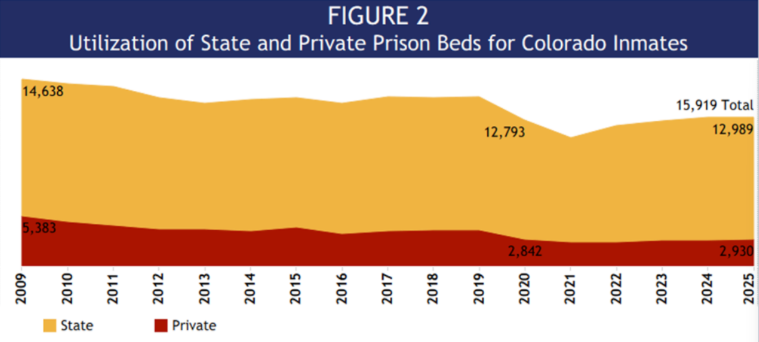
- Management of the Prison Population: Colorado relies on private prisons to house inmates due to the population exceeding the available bed space in the state prisons.
- Fiscal Transparency:
- Inmate Welfare: The state monitors private prisons to ensure that they are meeting requirements for inmate services like medical care and food.
- Staffing Challenges: The report alerts the community to staffing problems at the private prisons, which could affect the safety and services for inmates
At a glance summary of FY2025 contracts and utilization:
Copies of the reports the department provides to the legislature may be accessed by clicking the blue bar below.
- Status of Private Prisons Reports
Private Prisons FY25 Private Prisons FY24
Private Prisons FY23 Private Prisons FY22 Private Prisons FY21
Private Prisons FY20 Private Prisons FY19 Private Prisons FY18
Private Prisons FY17 Private Prisons FY16 Private Prisons FY15
Private Prisons FY14 Private Prisons FY13 Private Prisons FY12
Education and Vocational Programs
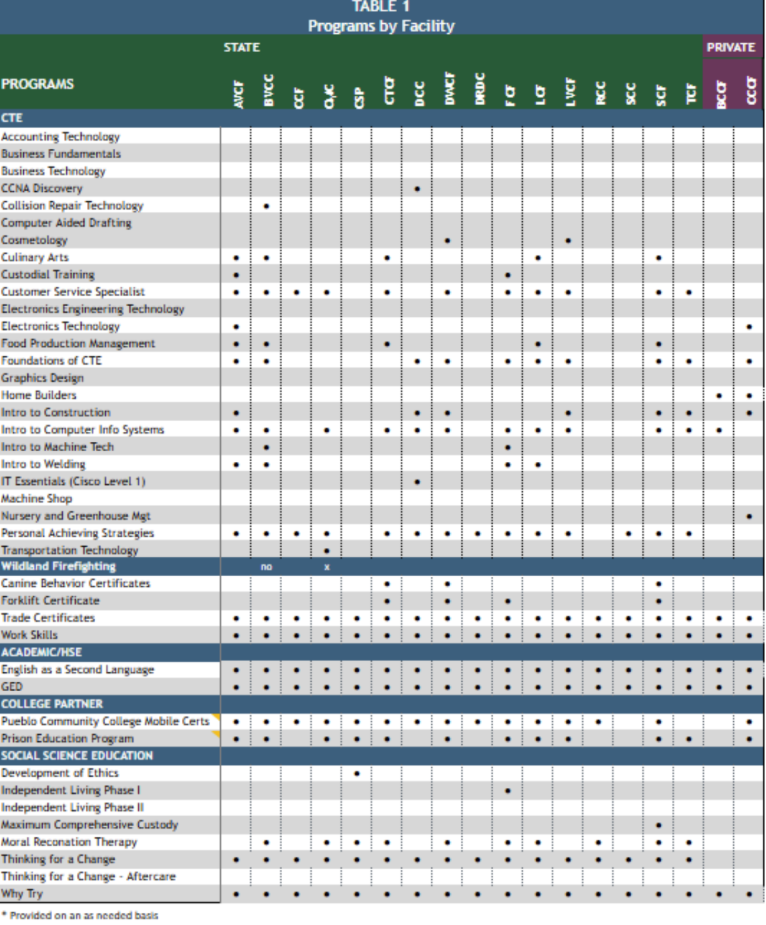
Reporting Requirement: This report provides information on the educational programs offered to inmates within the Colorado Department of Corrections as required by Colorado Revised Statute (C.R.S.) 17-32-105. The report includes information on what programs are provided at which facilities, staffing and vacancy rates of program providers, program enrollments and completions, student demographics, information regarding program funding, and parolee employment statistics.
Why this matters to the community:
- Reducing Recidivism: Studies consistently find that education programs in prison are successful in reducing recidivism and increasing future employment success.
- Successful Re-Entry: Most parolees (over 63%) are employed full-time or part-time, which means they are working in the community. The CDOC teaches skills for jobs needed in Colorado, which is a crucial step for inmates to successfully re-enter the community.
- Fiscal Responsibility and Transparency: Enhancing understanding of how these funds are used and the benefit to the community.
At a glance summary of FY2025 data:
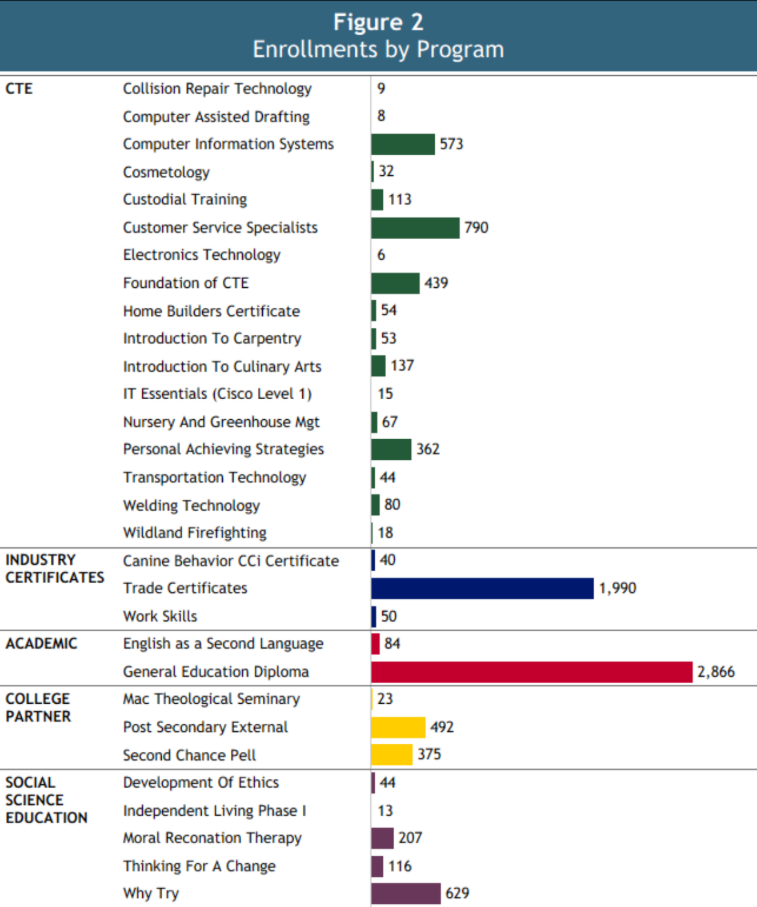
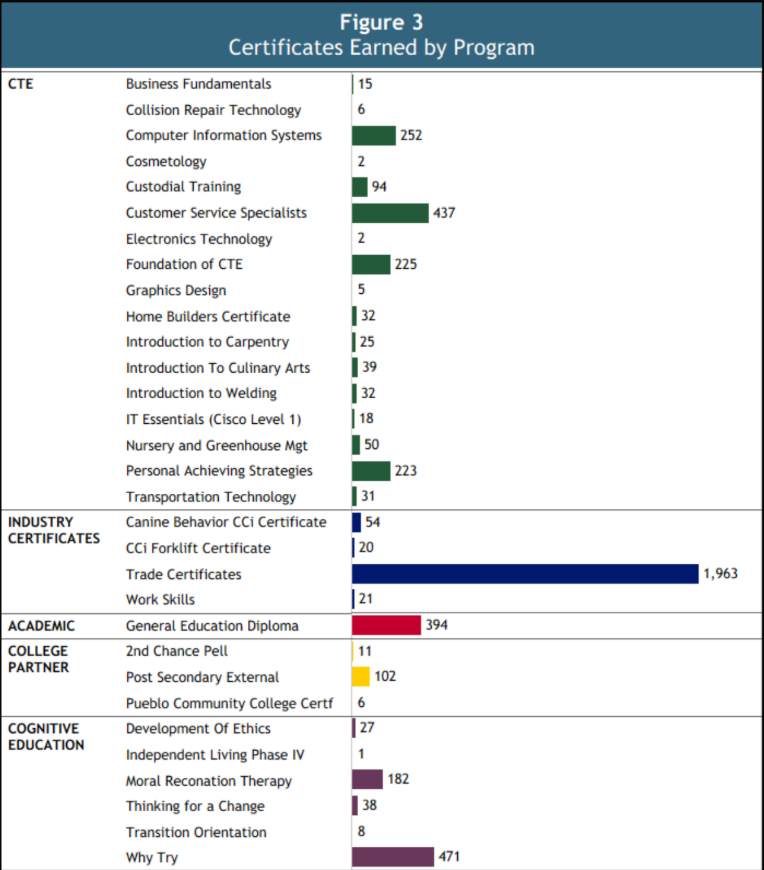
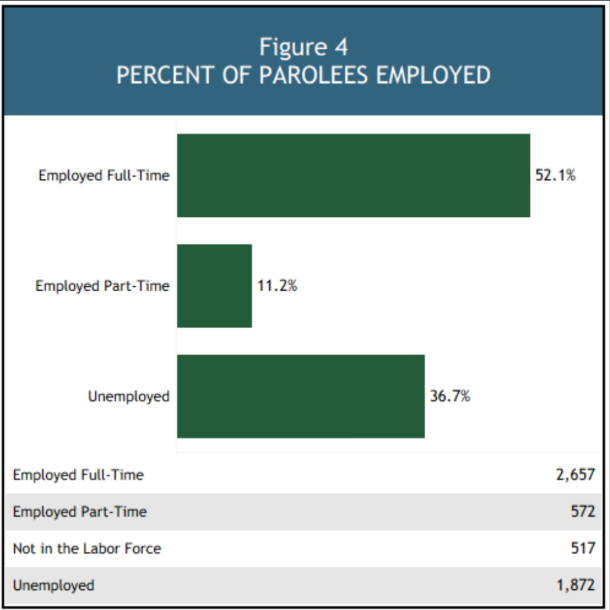
Copies of the reports the department provides to the legislature may be accessed by clicking the blue bar below.
- Education and Vocational Programs Reports
Education Report FY25 Education Report FY24 Education Report FY23
Education Report FY22 Education Report FY21 Education Report FY20
Education Report FY19 Education Report FY18 Education Report FY17
Education Report FY16 Education Report FY15 Education Report FY13
Education Report FY12 Education Report FY11 Education Report FY10
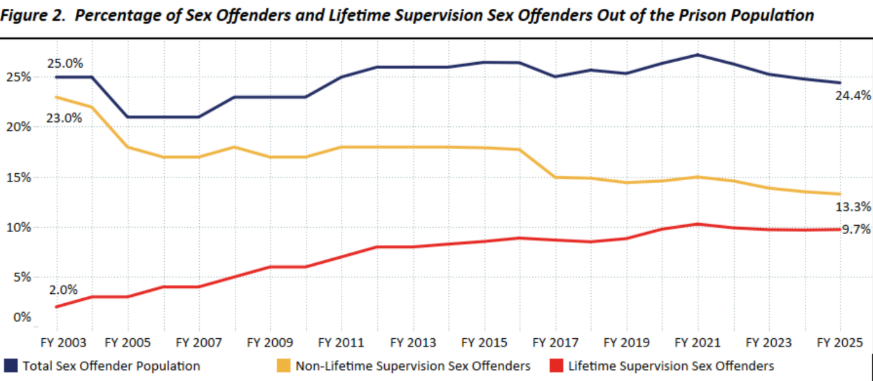
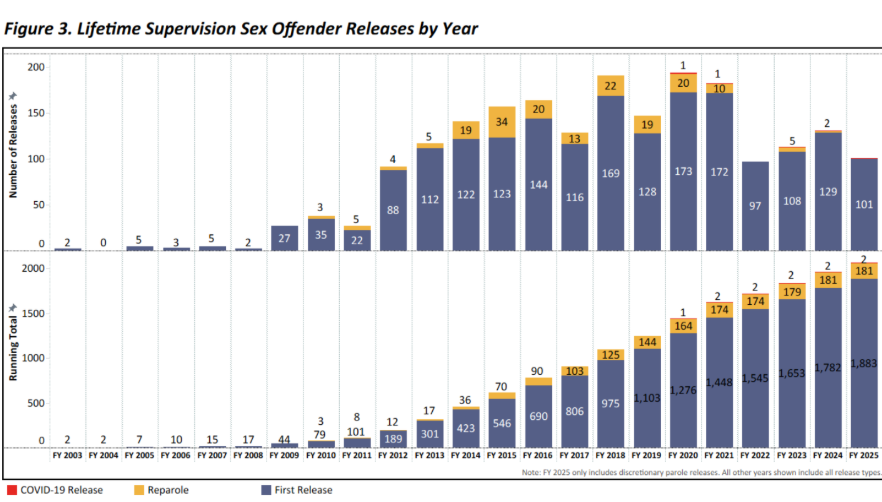
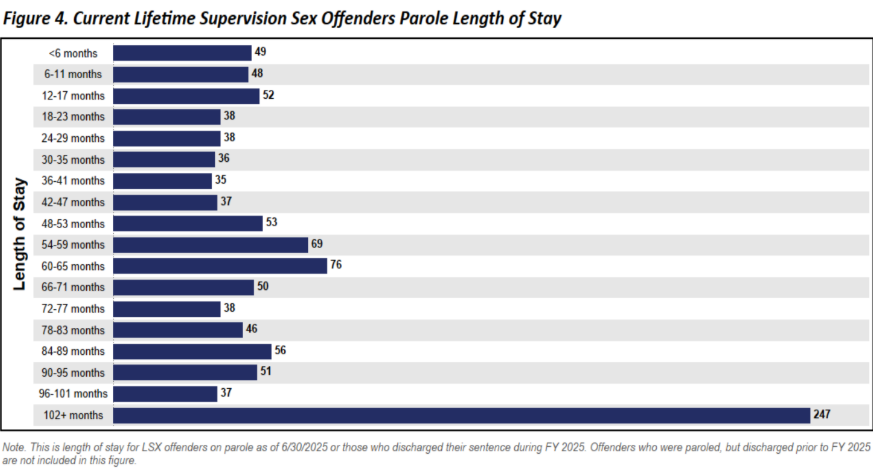
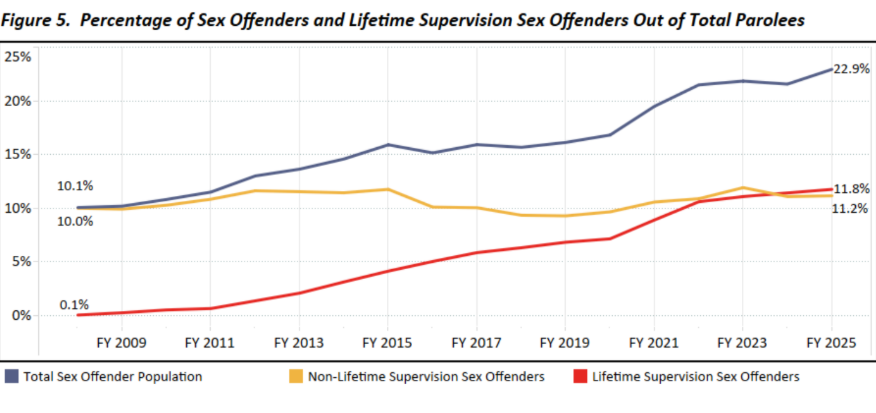
Lifetime Supervision of Sex Offenders
Reporting Requirement: As required by statute, 18-1.3-1011 C.R.S.: the Department of Corrections, the Department of Public Safety, and the Judicial Department a responsible to submit a report to the judiciary committees of the House of Representatives and the Senate and the Joint Budget Committee outlining the impact of lifetime supervision sentencing on the prison, parole, and probation populations. The statute also requires that data be provided regarding the number and length of sentences, number of parole board reviews, number of revocations, and availability of treatment.
Why this matters to the community:
- Public Safety: State agencies like the Department of Corrections (CDOC), the Judicial Department, and the Department of Public Safety work together to manage and supervise sex offenders, including those who have lifetime supervision sentences, with a goal of keeping the community safe.
- Understanding Treatment and Supervision of a Unique Population: Knowing how many people are under supervision for sex offense convictions and what they are required to do helps the community better understand the population and the special treatment programs they must go through while in prison or on supervision in the community.
- Fiscal Impact and Challenges: The yearly cost for assessing, treating, and monitoring sex offenders, both in prison and on parole and probation, including the challenge of high costs for offense-specific evaluations on the probation side.
At a glance summary of FY2025 data:
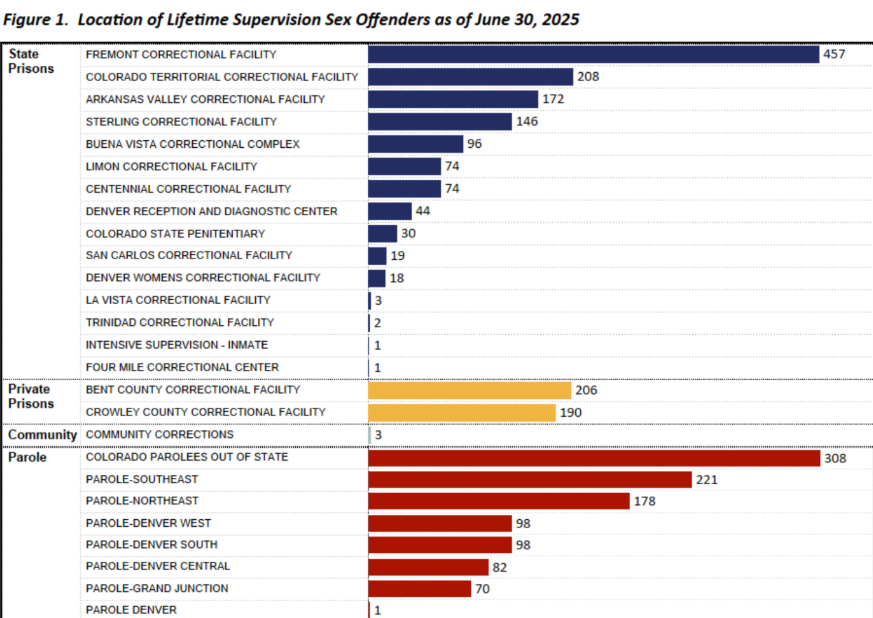
Copies of the reports the department provides to the legislature may be accessed by clicking the blue bar below.
- Lifetime Supervision of Sex Offenders Reports
Lifetime Supervision Report FY25 Lifetime Supervision Report FY24 Lifetime Supervision Report FY23
Lifetime Supervision Report FY22 Lifetime Supervision Report FY21 Lifetime Supervision Report FY20
Lifetime Supervision Report FY19 Lifetime Supervision Report FY18 Lifetime Supervision Report FY17
Lifetime Supervision Report FY16 Lifetime Supervision Report FY15 Lifetime Supervision Report FY14
Lifetime Supervision Report FY13 Lifetime Supervision Report FY12 Lifetime Supervision Report FY11
Lifetime Supervision Report FY10 Lifetime Supervision Report FY09 Lifetime Supervision Report FY08